Patagonian Silence: Across the Windswept Edge
Monograph Outline
1. The Dominance of the Western Wind
In Patagonia, wind is not a meteorological event; it is the resident sovereign. Blowing uninhibited across thousands of leagues of the Southern Ocean, it crashes into the jagged wall of the southern Andes with ferocious kinetic power. Trees do not grow upright here; they bow eastward in permanent frozen arcs, their branches twisted into living compass needles pointing toward the Atlantic basin.
2. Southern Ice Fields and Prehistoric Time
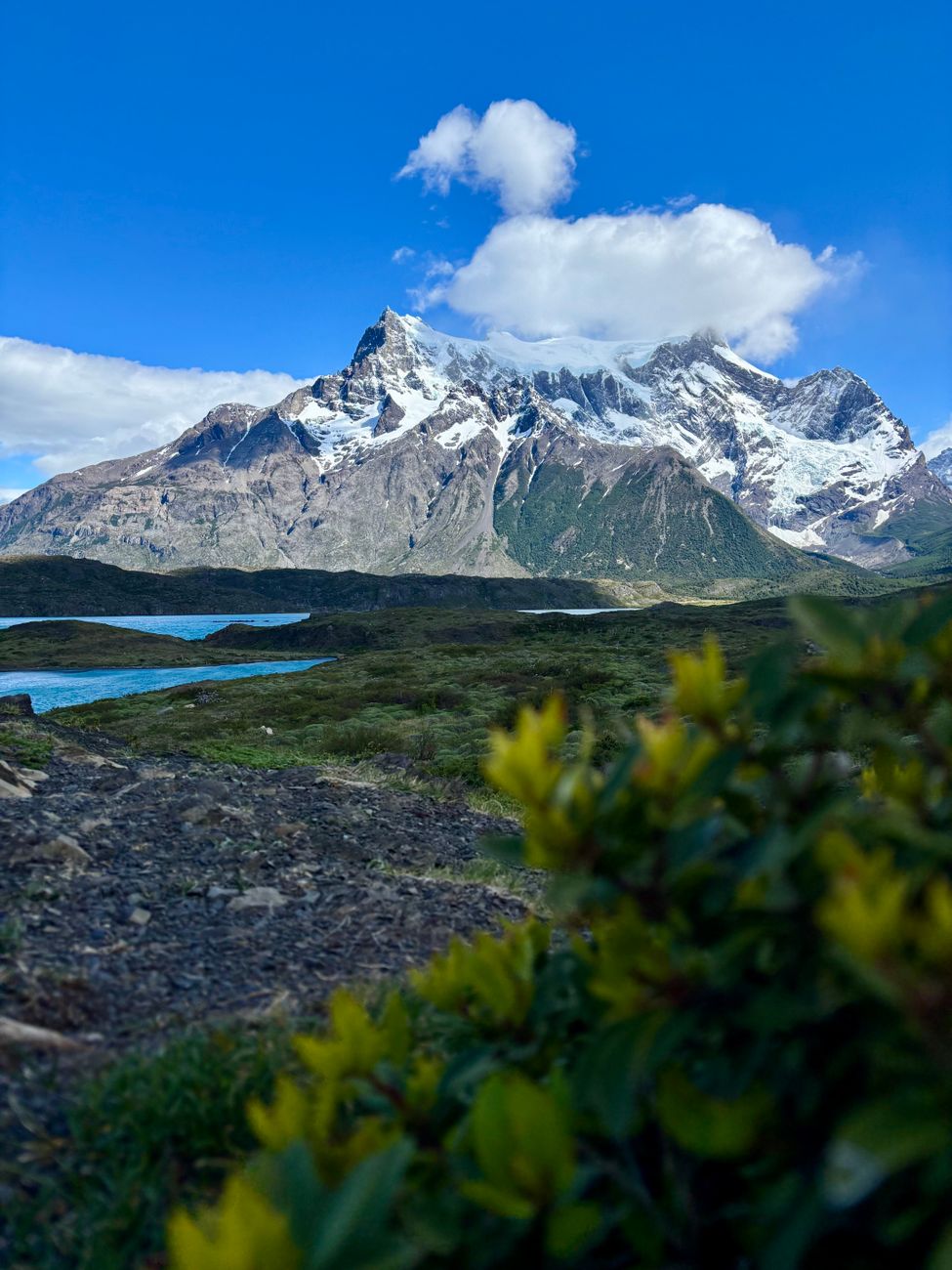
Standing before the terminal moraine of the Southern Patagonian Ice Field, one is confronted with deep geological time. The ice is an ethereal cobalt blue, compacted over millennia until every microscopic air bubble has been driven out. When a massive slab calves into the milk-turquoise waters of an alpine lake, the boom resonates through the chest cavity long before the resulting wave strikes the gravel shoreline.
"To travel across Patagonia is to realize that the world exists entirely indifferent to our narratives, magnificent and complete without us."
3. Low-Slung Estancias and Windbreaks
Human survival on the steppe has always required aerodynamic prudence. The historic estancias—sheep ranches established over a century ago—are built close to the earth, clad in corrugated iron painted deep oxblood red or slate grey. Groves of planted poplars serve as living shields against the relentless westerlies. Within these walls, a wood stove and an iron kettle of yerba mate provide an oasis of warmth against the surrounding wilderness.
4. The Humility of the Steppe
Crossing hundreds of miles of golden coirón grass without encountering another vehicle or human dwelling produces an exhilarating lightness of being. When all urban clutter is stripped away, the mind expands to fill the vast horizon, leaving only the sound of wind, the flight of the condor, and the quiet satisfaction of forward motion.